
Introduction
Life is not always calm and organized.
There are phases when everything feels overwhelming at once work pressure, emotional stress, responsibilities, uncertainty, and mental exhaustion. During such times, even simple tasks can feel difficult. Our focus disappears, motivation becomes low, and productivity starts feeling impossible. Protecting your mental wellness during these difficult phases becomes extremely important because stress affects both emotional balance and daily performance. Good stress management helps maintain emotional stability and supports better work productivity even during challenging situations.
I have personally experienced moments where my mind felt so full that I could not concentrate properly on anything. I would try to work, but stress and overthinking would constantly interrupt my thoughts. And the more unproductive I felt, the more frustrated I became with myself. This is where proper stress management and healthy routines started helping me regain control over my thoughts and emotions while improving my mental wellness.
Over time, however, I realized something important:
Productivity during stressful times does not mean doing more. It means learning how to manage your energy, emotions, and focus with awareness. Real work productivity improves when we stop forcing ourselves and start caring for our emotional health. Learning how to stay focused during emotional pressure becomes one of the most valuable life skills for both personal growth and professional success.
That understanding completely changed the way I approach difficult phases in life.
A} Why Stress Affects Productivity (mental wellness.)
When the mind is stressed, it becomes difficult to focus clearly. Stress creates mental noise. We begin overthinking, worrying, and emotionally reacting to situations more than usual. Poor stress management often leads to emotional exhaustion, lower work productivity, and reduced mental wellness.
As a result:
- Concentration becomes weaker
- Small tasks feel mentally exhausting
- Decision-making becomes harder
- Motivation decreases
- We feel emotionally drained
This is why forcing ourselves to “work harder” during stressful periods often creates even more burnout. Many people eventually experience emotional fatigue and require proper burnout recovery before they can feel mentally balanced again.
Instead of fighting stress aggressively, we need healthier ways to support our mind and body.
B} What Helped Me Stay Productive During Difficult Times?
During my own journey with mindfulness and self-growth, I learned that productivity becomes easier when we stop expecting perfection from ourselves.
Some days will naturally feel slower than others.
And that is okay.
What truly matters is learning how to move forward gently without mentally exhausting yourself. Healthy self improvement happens slowly through consistency, patience, emotional awareness, and proper stress management. Maintaining strong mental wellness is essential for sustaining long-term work productivity.
C} Here are some simple practices that helped me stay productive even during emotionally stressful phases.(stressmanagement)
1. Focus on One Thing at a Time
One of the biggest mistakes we make during stressful times is trying to handle everything at once.
When the mind is already overwhelmed, multitasking creates even more confusion. I noticed that whenever I tried doing too many things together, my stress increased and my productivity decreased. Learning how to stay focused became one of the most valuable skills during stressful periods because better focus directly improves work productivity.
So I started simplifying my approach.
Instead of thinking about everything I had to do, I focused on completing one task at a time.
This small shift helped me:
- Feel less mentally pressured
- Improve concentration
- Complete tasks more calmly
- Reduce overthinking
Sometimes productivity improves not by doing more, but by slowing down mentally. This is one of the most effective productivity tips I personally learned for improving mental wellness and emotional balance.
2. Create Small and Realistic Goals (work productivity)
Stress often makes large goals feel impossible.
During difficult times, even basic responsibilities can feel overwhelming. That is why I learned the importance of creating small achievable goals instead of unrealistic expectations.
For example:
- Instead of planning an entire day perfectly, focus on completing 2–3 important tasks
- Instead of forcing long work hours, work in shorter focused sessions
- Instead of expecting instant results, focus on steady progress
Small wins create motivation naturally. They also improve time management because you begin prioritizing important tasks more effectively instead of mentally exhausting yourself. Better goal-setting also improves work productivity and supports healthier stress management.
And slowly, they rebuild confidence and support long-term self improvement.

3. Take Care of Your Mental Energy 9 (stress management)
Many people focus only on time management, but during stressful periods, energy management becomes even more important.
I realized that when my mind felt emotionally exhausted, productimental wellness×stress management×work productivity×how to stay focusedvity automatically suffered. So I started paying more attention to activities that helped calm my mind and improve my mental wellness.
Simple habits like:
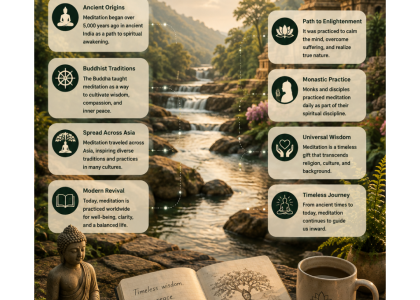
- Meditation
- Deep breathing
- Spending time in silence
- Taking short walks
- Limiting social media
- Getting enough rest
helped me feel mentally lighter and more focused. These habits also supported emotional balance, stress relief, healthy stress management, and burnout recovery.
A calm mind works more efficiently than an overwhelmed mind. This is one of the best ways to improve work productivity naturally.
4. Stop Expecting Perfection (work productivity)
One of the biggest reasons we feel stuck during stressful times is because we expect ourselves to perform perfectly even when emotionally tired.
I struggled with this personally.
Whenever I could not follow my routine perfectly, I felt guilty and discouraged. But eventually, I understood that productivity is not about perfection.
It is about continuing, even imperfectly.
Some days your best may look different than usual. On difficult days, completing small tasks is still progress. Accepting this reality helped improve my mental wellness, emotional balance, and reduced unnecessary pressure.
Being gentle with yourself actually improves consistency, healthier stress management, and long-term work productivity.
5. Practice Mindfulness During Work 9 (how to stay focused)
Mindfulness helped me improve focus during stressful periods more than I expected.
Instead of constantly worrying about future problems, I started bringing my attention back to the present task. Even a few moments of mindful breathing before starting work helped calm my thoughts, improve stress management, and teach me how to stay focused more effectively.
Mindfulness improves productivity because it:
- Reduces mental distractions
- Helps control overthinking
- Improves concentration
- Creates emotional balance
- Helps us respond calmly under pressure
When the mind becomes quieter, work feels less heavy. Learning how to stay focused becomes easier when your mind is calm instead of overwhelmed. This also strengthens long-term mental wellness.
6. Take Meaningful Breaks
During stressful times, many people either overwork themselves or completely avoid work. I learned that balance is important.
Taking short intentional breaks actually improves focus and overall work productivity.
Sometimes I would simply:
- Sit quietly for a few minutes
- Go outside for fresh air
- Stretch my body
- Listen to calming sounds
- Disconnect from screens temporarily
These small pauses helped reset my mind, improve stress relief, support emotional balance, and improve my overall mental wellness naturally.
Rest is not laziness.
Rest is part of maintaining mental clarity, healthy stress management, and burnout recovery.
7. Accept That Difficult Phases Are Temporary
One of the most comforting realizations I had was understanding that stressful phases do not last forever.
There will always be periods in life when things feel emotionally heavy. But productivity does not require us to feel perfect all the time. It simply requires us to keep moving forward step by step.
Even slow progress matters.
Some of the strongest habits and deepest self improvement happen during difficult phases because those moments teach patience, resilience, emotional balance, healthy stress management, and emotional maturity. They also improve mental wellness and teach us how to stay focused under pressure.
These difficult experiences help us grow stronger mentally and emotionally.
Conclusion
Today, I no longer believe productivity means constantly staying busy.
Real productivity is about maintaining balance while protecting your mental wellbeing. It is about learning how to work with a calm mind instead of forcing yourself through stress. Healthy time management, emotional awareness, proper stress management, and stress relief all play an important role in long-term work productivity and emotional balance.
During difficult times, you do not need to pressure yourself to do everything perfectly.
You simply need to continue gently, consistently, and mindfully.
Because sometimes the most productive thing you can do is slow down, breathe, and give your mind the care it truly needs. That is where real focus, lasting work productivity, emotional balance, strong mental wellness, and learning how to stay focused truly begin.
Disclaimer: The information provided on UpliftAura is for general educational, informational, and inspirational purposes only. It is not intended to replace professional medical, mental-health, financial, legal, or other professional advice. Meditation and wellness practices may affect individuals differently. Always consult a qualified professional regarding your specific circumstances. UpliftAura does not guarantee any particular results from the use of its content.