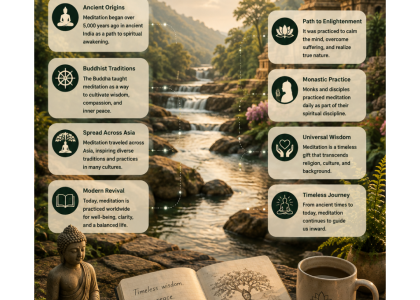
Meditation is not just sitting quietly it is a deep practice of training the mind. Buddhist meditation helps develop awareness, reduce suffering, and create emotional balance. There are many types of meditation, and each practice offers different benefits for mental clarity, focus, and peace. Whether you are looking for meditation for beginners, mindfulness meditation, or meditation for inner peace, these ancient techniques can help calm the mind and improve overall well-being.
Below are some of the most powerful meditation techniques practiced in Buddhism.
1. Vipassana Meditation (Insight Meditation)
Vipassana meditation means “to see things as they really are.”
This meditation focuses on observing your breath, thoughts, and body sensations without reacting or judging. By simply noticing what is happening inside you, you begin to understand the nature of your mind more deeply. It helps reduce stress, overthinking, and emotional suffering.
Goal: Awareness + deep understanding of reality
2. Samatha Meditation (Calm Meditation)
Samatha meditation is used to calm and stabilize the mind. You focus on a single object like the breath, a candle flame, or a sound to develop deep concentration. This practice is one of the most effective meditation techniques for creating a peaceful and focused mind.
Goal: Inner calm + strong concentration
3. Metta Bhavana (Loving-Kindness Meditation)
Metta Bhavana is a form of mindfulness meditation that develops kindness, compassion, and positive emotions toward yourself and others.
You silently repeat thoughts like:
- “May I be happy”
- “May all beings be peaceful”
This practice supports emotional healing and inner peace.
Goal: Love, kindness, emotional healing
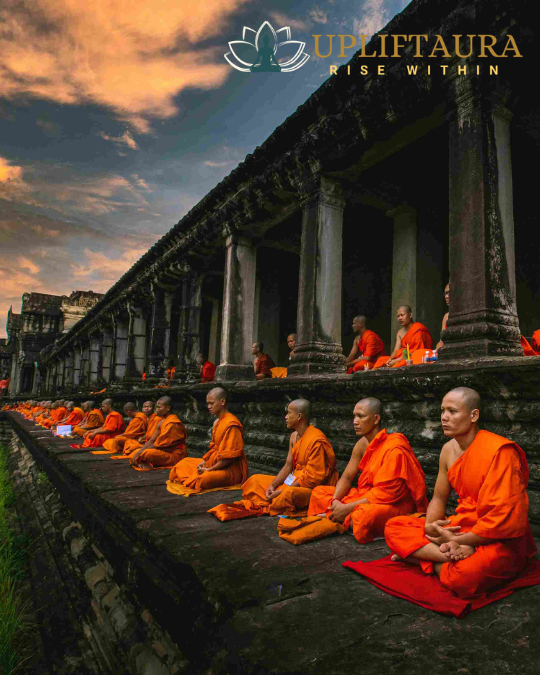
4. Anapanasati (Mindfulness of Breathing)
Anapanasati is also known as breathing meditation because it focuses completely on observing the natural breath. This is one of the best forms of meditation for beginners because it is simple, calming, and easy to practice daily. Whenever the mind wanders, you gently bring your attention back to the breath.
Goal: Focus + mental clarity + present awareness
5. Walking Meditation
Walking meditation is practiced by walking slowly and mindfully while paying attention to every movement and step. This technique helps bring mindfulness into everyday life and is excellent for people who find sitting meditation difficult.
Goal: Awareness in action + grounding
6. Zen Meditation (Zazen)
Zen meditation is a silent sitting practice where you maintain posture and observe thoughts without attachment. Instead of controlling the mind, you simply watch thoughts come and go naturally. This practice develops deep stillness and awareness.
Goal: Deep awareness + stillness
Simple Understanding of Core Practices
- Vipassana meditation = Insight (understanding the mind deeply)
- Samatha meditation = Calm (stability and focus)
- Metta Bhavana = Love (kindness and compassion)
- Breathing meditation = Awareness through breath
- Zen meditation = Stillness and mindfulness
Final Thoughts
All these types of meditation lead to one simple goal—a peaceful, balanced, and aware mind. Whether you choose Vipassana meditation, mindfulness meditation, breathing meditation, or Zen meditation, consistency matters more than perfection. If you are starting your journey with meditation for inner peace, begin with just 10 minutes daily. Small and regular practice can slowly transform your thoughts, emotions, and overall quality of life.
Disclaimer: The information provided on UpliftAura is for general educational, informational, and inspirational purposes only. It is not intended to replace professional medical, mental-health, financial, legal, or other professional advice. Meditation and wellness practices may affect individuals differently. Always consult a qualified professional regarding your specific circumstances. UpliftAura does not guarantee any particular results from the use of its content.